
Overview
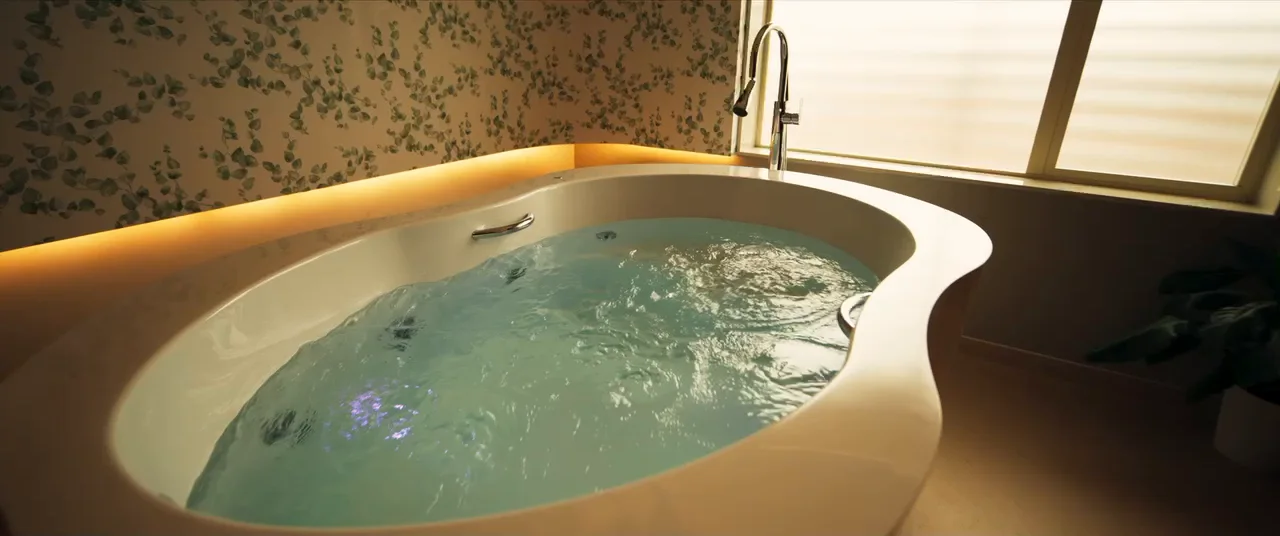
Kinder Hospitals' Water Birthing Suite in Kochi is Kerala's first dedicated water birthing facility, offering eligible mothers the option to labour and deliver in a warm-water birthing pool, with continuous monitoring and an experienced maternity team throughout. Mothers not delivering in water can also use the suite for hydrotherapy pain relief during labour.
Ready to find out if a water birth is right for you? Book a consultation with our maternity team — contact our care team.
Why Consider a Water Birth
- Reduced contraction pain, with the body's own endorphins providing natural relief
- Lower likelihood of needing pain-relief medication such as pethidine or an epidural
- Reduced need for labour-accelerating drugs like oxytocin
- Often a shorter labour
- A greater sense of control and empowerment through the process
- Buoyancy that conserves energy and eases the physical strain of labour
- A relaxed pelvic floor and softer perineum, lowering the risk of tearing
- A gentler entry into the world for your baby
Are You Eligible for a Water Birth? Check Now
Water birth is generally suitable for healthy mothers with a normal, uncomplicated pregnancy who go into established labour naturally. You may be eligible if:
- Your body weight is under 100 kg
- Your baby is confirmed in a head-down position
- You're in good general health, and able to exit the pool quickly if needed
- Your vital signs — blood pressure, temperature, and pulse — are within normal range
- Your labour is progressing naturally, without need for IV medication to strengthen contractions
Not sure if you qualify? That's exactly what a consultation is for — our maternity team will assess your eligibility individually as your pregnancy progresses.
Check your eligibility with our maternity team — enquire today.
Inside the Kinder Water Birthing Suite
Kinder's Water Birthing Suite is designed as a peaceful, spa-like space, built to international safety benchmarks in maternity care.
- Purpose-built pools — Premium birthing pools — deep, spacious, ergonomically designed tubs, temperature-controlled for safety and comfort throughout labour
- Precisely controlled temperature — Water maintained between 36.5°C and 37°C through the first stage of labour, raised to 37.5°C for delivery, with hourly checks on maternal, water, and room temperature
- Hygiene & infection control — Single-use tub liners, thorough cleaning protocols, and controlled water levels to prevent contamination or overheating
- Birth partner access — A birth partner of your choice is welcome throughout — including, if desired, taking an active role in the birth itself
- Continuous safety monitoring — Intermittent fetal monitoring and regular checks on maternal vitals, even while labouring in water
Hydrotherapy — Pain Relief, Even Without a Water Birth
Water immersion is a well-evidenced pain-relief tool in its own right, independent of whether you choose to deliver in water. Many mothers at Kinder use the birthing pool purely for pain management during labour, stepping out to deliver conventionally — it pairs well with breathing and relaxation techniques, massage, or gas and air (Entonox).
If stronger pain relief is needed — a pethidine injection or an epidural — you'll need to leave the pool, and re-entry is restricted for four hours after a pain-relieving injection. A Cochrane review has confirmed the benefits of water immersion in the first stage of labour, showing reduced analgesia use and lower reported pain, with no adverse effect on labour duration, delivery outcomes, or newborn health.
Is Water Birth Safe?
For healthy mothers with an uncomplicated, full-term pregnancy, complications during water labour are rare. The most common concern — a baby inhaling water — is highly unlikely, thanks to natural physiological reflexes: the temperature change at birth itself suppresses the breathing reflex, and your baby's head is kept fully submerged until it clears the water, delaying that first breath until it's safe to take. Water temperature is monitored throughout to avoid any sudden change, adding a further layer of safety on top of these natural safeguards.
You're free to leave the pool at any point during labour if you change your mind — the one exception is once your baby's head is about to be born. You may need to leave the pool for:
- A toilet break
- Difficulty monitoring your baby's heart rate, or any irregularities detected
- A vaginal examination, if your team requests you step out for it
- Abnormal blood pressure, pulse, or temperature
- Labour not progressing as expected
- Delivering the placenta, after birth
What Happens Next — Your First Step
Considering a water birth doesn't commit you to anything. Here's how most mothers get started:
- 1. Enquire — Book a consultation with our maternity team, at any stage of your pregnancy
- 2. Discuss your eligibility — We'll review your health, your pregnancy so far, and answer every question you have — including ones not covered on this page
- 3. Reassess closer to delivery — As your due date nears, your eligibility is reconfirmed based on how your pregnancy and labour are progressing
- 4. Labour, your way — On the day, our team supports you in the birthing suite, with the flexibility to adapt your plan if your labour calls for it
Talk to our maternity team about water birth — contact our care team today.
Frequently Asked Questions
Is water birth safe for the baby?
For healthy, full-term pregnancies, water birth carries a very low complication rate. A baby's natural reflexes — including breathing-reflex suppression triggered by the temperature change at birth — make water inhalation highly unlikely, and staff keep the baby's head submerged until it clears the water as an added safeguard.
Who is eligible for a water birth?
Generally, healthy mothers with an uncomplicated pregnancy, a baby in the head-down position, body weight under 100 kg, normal vital signs, and labour progressing naturally without medical augmentation. Final eligibility is confirmed individually by our maternity team.
Is water birth painful compared to a normal delivery?
Many mothers report less contraction pain during water labour, due to the buoyancy and relaxation the water provides, along with the body's own increased endorphin production. It doesn't eliminate labour pain entirely, but often reduces the need for medical pain relief.
What's the difference between water birth and hydrotherapy during labour?
Water birth means labouring and delivering in the pool. Hydrotherapy means using the pool for pain relief during labour only, then stepping out to deliver conventionally. Both are available at Kinder Hospitals, and you can decide — or change your mind — as labour progresses.
Can I still get an epidural if I'm in the birthing pool?
If you need stronger pain relief such as a pethidine injection or an epidural, you'll need to leave the pool, and you won't be able to re-enter for four hours after a pain-relieving injection.
Is Kinder Hospitals' water birthing suite the only one in Kerala?
Kinder Hospitals' Water Birthing Suite is Kerala's first dedicated facility of its kind.
How do I know if a water birth is right for me?
The best way to find out is a consultation with our maternity team, who can assess your eligibility based on your specific pregnancy and health — you're welcome to enquire at any stage of pregnancy, even if you're not sure yet.
Can my partner be with me during a water birth?
Yes. A birth partner of your choice is welcome throughout, and can take an active role in the birth if you'd like.
Still deciding? Talk to our maternity team — there's no commitment, just answers. Contact our care team.